luxury housing demand is a key factor as DLF targets INR 20,000 crore in sales bookings for FY27. The company is optimistic about growth driven by this segment.
Overview of DLF’s Sales Goals
DLF, one of India’s leading real estate developers, has set ambitious sales goals as it aims to capitalize on the booming luxury housing demand. The company is targeting INR 20,000 crore in sales bookings for the fiscal year 2027, a clear indication of its commitment to expanding its footprint in the premium property market.
This strategic focus on luxury housing aligns with current market trends, where affluent consumers are increasingly seeking high-end living spaces that offer both comfort and prestige. DLF’s extensive portfolio of luxury projects is designed to meet this growing demand, featuring modern amenities and prime locations that appeal to discerning buyers.
- Investment in innovative designs and sustainable practices to enhance property value.
- Expansion into new markets with high potential for luxury real estate.
- Strengthening brand presence through strategic marketing initiatives.
As DLF navigates the challenges and opportunities in the real estate sector, the emphasis on luxury housing demand remains pivotal. By leveraging its experience and industry expertise, DLF is poised to not only meet its sales targets but also redefine luxury living in India.
Current Trends in Luxury Housing
The luxury housing market is witnessing significant shifts, with demand showing a robust upward trajectory. As highlighted by recent reports, the increasing interest in premium properties is not merely a trend but a sustained phenomenon that reflects changing consumer preferences.
Several factors are contributing to the surge in luxury housing demand:
- Urbanization: More individuals are relocating to metropolitan areas, seeking upscale living options that offer both convenience and an elevated lifestyle.
- Affluence: Rising disposable incomes among the affluent class have expanded the customer base for luxury homes, making them more accessible to a broader audience.
- Investment Potential: Luxury properties are increasingly viewed as attractive investments, with buyers recognizing their potential for long-term value appreciation.
- Quality of Life: Buyers are prioritizing amenities and facilities that enhance their living experience, such as security, recreational spaces, and proximity to essential services.
As a result of these trends, developers like DLF are strategically positioning themselves to capitalize on this growing segment. The company’s focus on luxury housing aligns with the current market dynamics, reinforcing its goals and projections for substantial sales growth in the upcoming financial years.
Factors Driving Demand in Real Estate
The real estate market has experienced a significant transformation, with several factors driving the demand for luxury housing. Amidst the evolving preferences of buyers, a few key elements stand out.
- Urbanization: Rapid urbanization has led to an influx of individuals seeking upscale living environments. As cities expand, the desire for luxury housing has surged, creating a robust market.
- Affluence: The rising income levels among the population have resulted in a growing middle and upper class. This demographic shift has contributed to an increase in luxury housing demand, as more individuals are able to invest in high-end properties.
- Quality of Life: Buyers are increasingly prioritizing quality of life, looking for homes that offer modern amenities and proximity to essential services. Luxury housing developments that provide these features are particularly appealing.
- Investment Opportunities: Luxury properties are often seen as lucrative investments. Many buyers view real estate as a stable investment option, leading to heightened interest in luxury housing developments.
- Brand Value: Established developers like DLF are recognized for their quality and reliability, further driving demand. Buyers tend to gravitate towards brands that promise exceptional standards in luxury housing.
These factors collectively contribute to the sustained growth in the luxury housing sector, reinforcing the importance of this market segment in the broader real estate landscape.
DLF’s Strategy for FY27
DLF has laid out a comprehensive strategy for FY27, capitalizing on the increasing luxury housing demand in the real estate market. The company’s focus is on enhancing its portfolio with premium projects that cater to affluent buyers looking for high-quality living spaces.
To achieve its ambitious target of INR 20,000 crore in sales bookings, DLF plans to:
- Expand its offerings in luxury segments by launching several high-end residential projects across key metropolitan areas.
- Invest in innovative design and sustainable building practices to attract environmentally conscious consumers.
- Enhance customer experience through personalized services and state-of-the-art amenities that appeal to the luxury market.
- Strengthen partnerships with international brands to elevate the lifestyle offerings in their developments.
Furthermore, DLF aims to leverage digital marketing strategies to reach potential buyers more effectively. By utilizing advanced analytics, the company will identify emerging trends and preferences among luxury homebuyers.
DLF’s proactive approach to tapping into the luxury housing demand is expected to not only meet its sales targets but also solidify its position as a leader in the high-end real estate sector. The company’s commitment to quality and innovation will play a crucial role in driving sustained growth in the coming years.
Market Analysis of Luxury Properties
The luxury housing demand has shown a remarkable upward trend, significantly impacting the real estate market. Recent analyses indicate that high-net-worth individuals are increasingly seeking premium properties that offer not just comfort, but also a lifestyle enhancement. In this context, DLF has positioned itself strategically to capitalize on this growth.
Key factors influencing the market include:
- Urbanization: The rapid migration of individuals to urban centers has intensified the need for upscale residences.
- Investment Potential: Luxury properties are perceived as stable investments, attracting buyers looking for long-term value.
- Quality of Life: Buyers are increasingly prioritizing amenities and exclusive facilities, contributing to the allure of luxury homes.
- Global Trends: A shift towards remote work has allowed individuals to invest in larger, more luxurious properties away from traditional business districts.
Moreover, the demographic shift towards younger affluent buyers is redefining the luxury market. These individuals often seek unique designs and advanced technological integrations in their homes. As a result, developers like DLF are innovating to meet these demands, tapping into the burgeoning market for luxury housing. The ongoing commitment to quality and customer satisfaction positions DLF favorably in this evolving landscape.
Impact of Economic Conditions on Housing
The luxury housing demand is increasingly influenced by various economic conditions, which play a pivotal role in shaping market dynamics. As the economy experiences fluctuations, the purchasing power of potential buyers tends to shift, impacting their decisions in the high-end real estate sector.
Several economic indicators are particularly relevant:
- Interest Rates: Lower interest rates often encourage buyers to invest in luxury properties, making financing more accessible and attractive.
- Employment Rates: Higher employment levels contribute to increased disposable income, enabling more individuals to consider luxury housing options.
- Inflation: Rising inflation can lead to higher construction costs, which may ultimately be passed on to buyers, affecting demand.
- Consumer Confidence: A robust consumer sentiment often translates into greater willingness to invest in luxury real estate, as buyers feel secure in their financial situations.
Moreover, the overall health of the economy influences the availability of luxury housing. As developers like DLF continue to navigate these economic challenges, their strategies must adapt to maintain the momentum in luxury housing demand. This adaptability not only ensures sustained growth but also positions companies to capitalize on potential market shifts.
Future Predictions for the Real Estate Market
As the real estate market continues to evolve, experts predict that the demand for luxury housing will remain a significant driving force in the coming years. Various factors influence this trend, and understanding these dynamics is crucial for stakeholders in the industry.
In the next five years, analysts expect an increase in affluent buyers seeking high-end properties. This surge is attributed to several reasons:
- Population Growth: An increase in the number of high-net-worth individuals will boost demand.
- Urbanization: Rapid urbanization and the desire for luxury amenities are pushing buyers towards upscale residential offerings.
- Investment Opportunities: Luxury properties are increasingly viewed as stable investments, especially in volatile markets.
- Technological Advancements: Smart home technology and sustainable building practices are becoming essential features that attract discerning buyers.
Furthermore, as DLF targets substantial sales bookings of INR 20,000 crore in FY27, the luxury housing demand will likely play a pivotal role in achieving these goals. By focusing on high-quality developments and understanding consumer preferences, DLF aims to capitalize on this growing sector, ensuring sustained growth and profitability in a competitive landscape.
Conclusion on DLF’s Growth Potential
In conclusion, the growth potential for DLF appears robust, driven significantly by the increasing luxury housing demand in the current market. As noted in earlier sections, the company’s strategic focus on catering to high-end clientele aligns perfectly with the prevailing trends in the luxury real estate sector. DLF’s ambitious target of INR 20,000 crore in sales bookings for FY27 exemplifies its commitment to harnessing this growing demand.
The ongoing economic conditions, coupled with a rising number of affluent buyers, are expected to further bolster DLF’s position in the luxury market. With its extensive portfolio of premium properties, the company is well-equipped to meet the desires of discerning customers looking for high-quality living spaces. Moreover, DLF’s proactive approach in adopting innovative marketing strategies and enhancing customer experiences will likely create a competitive advantage in the market.
As the real estate landscape continues to evolve, DLF’s agility in adapting to shifts in consumer preferences will be crucial. The company’s dedication to sustainable development and luxury offerings ensures that it remains at the forefront of the industry. Overall, DLF’s trajectory suggests a promising future, where the synergy between its operational strategies and the growing demand for luxury housing will drive significant growth.
The surge in luxury housing demand has positioned DLF as a leader in the real estate market. With strategic developments catering to this luxury housing demand, the company is set to experience sustained growth in the coming years.
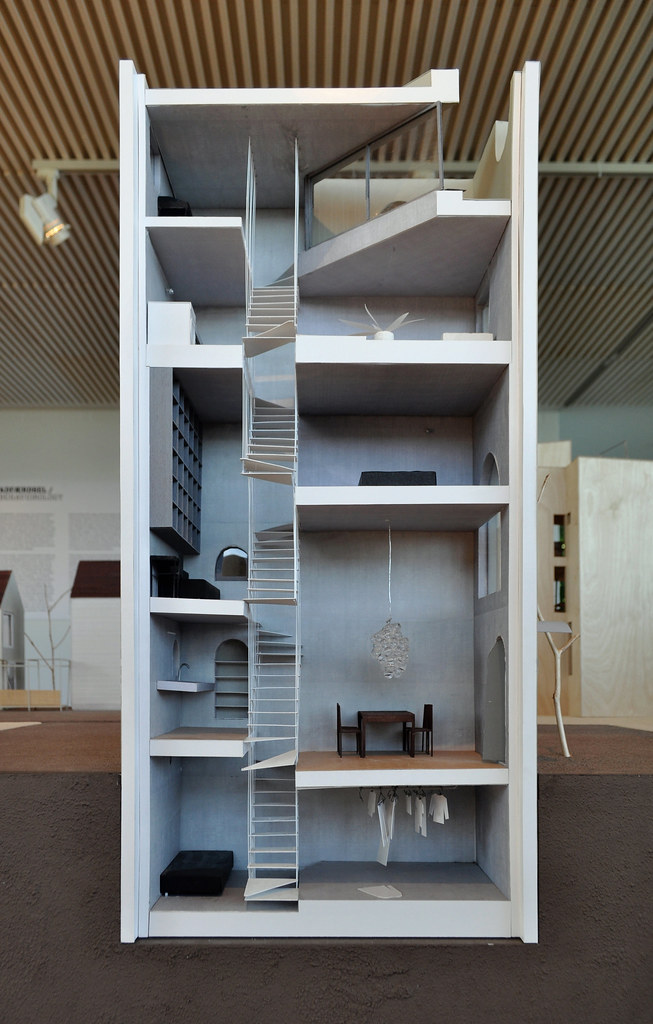
By seier+seier via Openverse
References
- High-End Hotel Brand Launches Proven Strategies for Success
- Judicial City project: The Right Decision for Kerala’s Future
- UK house prices: The Brutal Catch Behind October’s Jump
About the Author