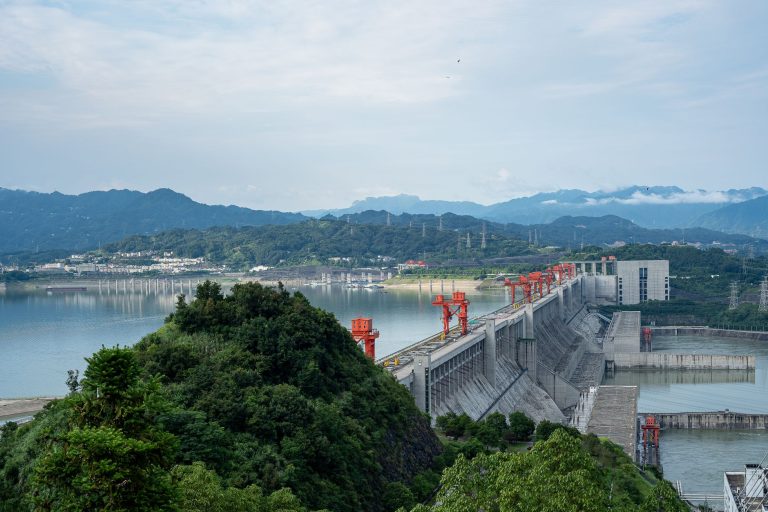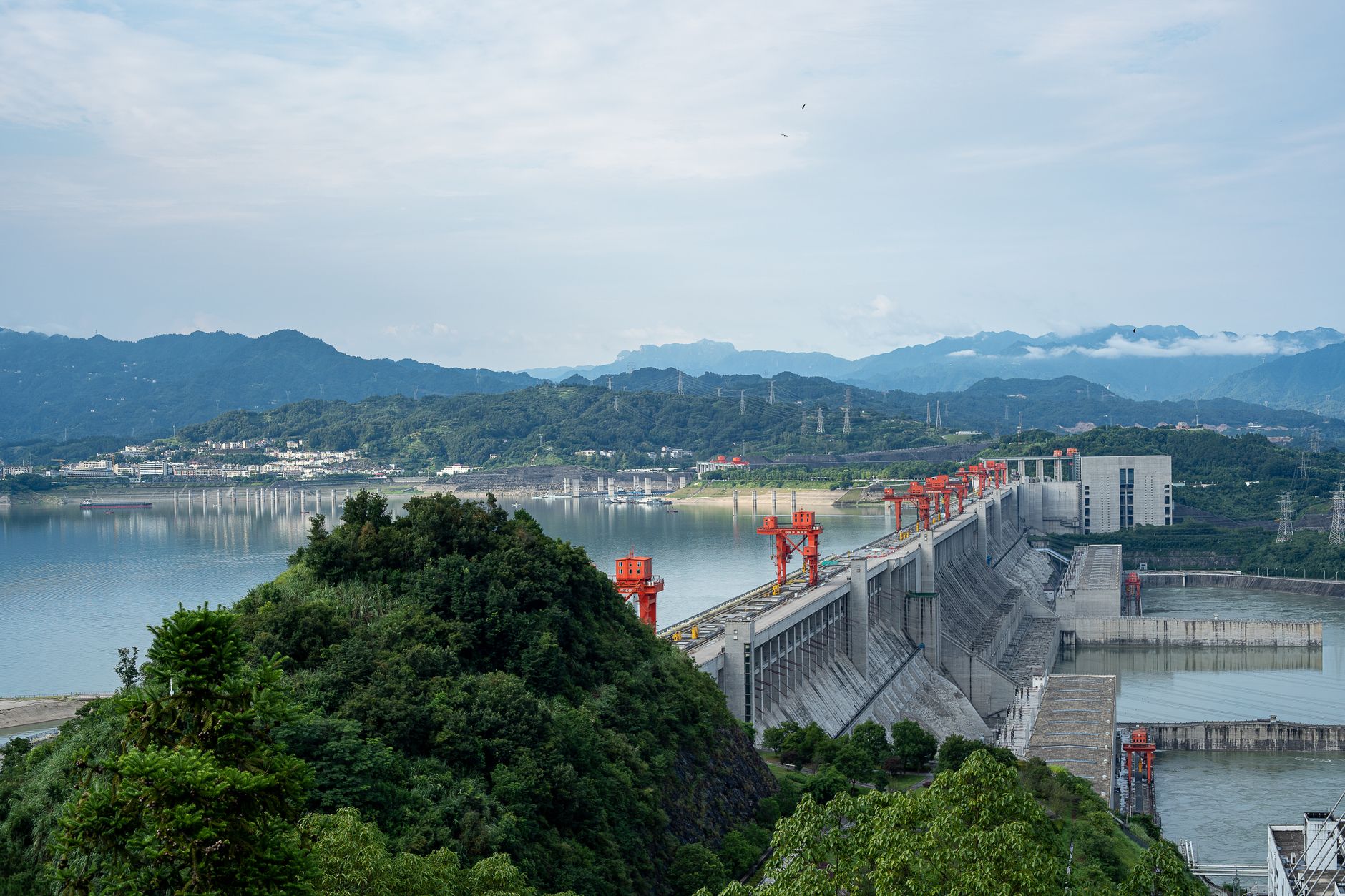
The pumped storage power project is set to transform Odisha’s energy landscape with a significant investment of Rs 47.08 billion approved by the cabinet.
Overview of the Pumped Storage Project
The recently approved pumped storage power project in Odisha has garnered significant attention, with the cabinet sanctioning a budget of Rs 47.08 billion. This ambitious initiative aims to enhance the state’s energy capacity and provide a sustainable solution to the growing demand for electricity.
The project will utilize a method of storing energy by pumping water to a higher elevation during periods of low demand and releasing it to generate power during peak hours. The benefits of this technology are numerous, including:
- Energy Efficiency: It allows for better management of electricity supply and demand.
- Renewable Integration: The project can support the integration of more renewable energy sources into the grid.
- Job Creation: It is expected to create numerous job opportunities during both the construction and operational phases.
As discussions around the pumped storage power project continue, stakeholders are weighing its long-term benefits against the substantial investment required.
Benefits of Pumped Storage Technology
The pumped storage power project presents several notable benefits that could significantly impact energy management. This technology provides an effective solution for balancing supply and demand, particularly during peak hours.
Key advantages include:
- Energy Storage: Pumped storage facilities can store excess energy generated during low-demand periods, which can be released during high-demand times.
- Grid Stability: By acting as a buffer, these projects enhance grid reliability, reducing the risk of blackouts and ensuring a steady energy supply.
- Environmental Impact: Compared to traditional fossil fuel plants, pumped storage systems have a lower carbon footprint, promoting cleaner energy use.
- Economic Benefits: The project is expected to create jobs and stimulate local economies, providing a boost to the surrounding communities.
Overall, the pumped storage power project is a crucial step towards sustainable energy solutions, contributing to a more resilient energy future.
Investment Details and Financial Implications
The recent approval by the Odisha cabinet for the Rs 47.08 billion pumped storage power project has raised numerous questions regarding its investment details and financial implications. This substantial financial commitment aims to enhance the state’s energy storage capacity and bolster renewable energy integration.
Key investment details include:
- Total Investment: Rs 47.08 billion
- Funding Sources: A mix of government funding and private investments
- Expected Completion: Projected completion within five years
- Job Creation: Anticipated to generate thousands of jobs during construction and operation
The financial implications of the pumped storage power project are significant. By facilitating energy storage, it allows for more efficient use of renewable sources, potentially lowering electricity costs in the long term. However, stakeholders are also concerned about the initial financial burden and the project’s return on investment.
Impact on Odisha’s Energy Sector
The approval of the pumped storage power project by the Odisha cabinet is poised to have a significant impact on the state’s energy sector. This innovative project aims to enhance energy reliability and efficiency across the region.
One of the primary effects will be the stabilization of the power grid, allowing for better management of energy supply and demand. With the increasing reliance on renewable energy sources, the pumped storage system will provide essential backup during peak demand times.
Moreover, the project is expected to attract further investments into Odisha’s energy infrastructure, paving the way for future developments. It will also create job opportunities, contributing to the local economy.
In addition to economic benefits, the project aligns with Odisha’s commitment to sustainable energy solutions, ultimately supporting a transition towards cleaner energy sources.
As stakeholders analyze the long-term implications, the success of the pumped storage power project may redefine energy strategies for the state.
Challenges and Risks Involved
The ambitious pumped storage power project, while promising significant benefits, faces several challenges and risks that could impact its success. One major concern is the environmental impact associated with constructing large reservoirs and altering natural landscapes.
Additionally, the project requires substantial financial backing, and securing the necessary funds amidst economic uncertainties poses a challenge. Stakeholders must consider fluctuations in interest rates and potential delays in project timelines, which could escalate costs.
Moreover, the integration of the pumped storage power project into the existing energy grid introduces technical complexities. The ability to effectively manage water levels and energy supply will be crucial to ensure reliability and efficiency.
Lastly, public opposition stemming from concerns over land use and environmental degradation may also present hurdles that need to be addressed. Balancing development goals with community interests will be vital for the project’s acceptance and long-term viability.
Future of Renewable Energy in India
The future of renewable energy in India is increasingly intertwined with innovative solutions like the pumped storage power project. As the country strives to meet its energy demands while reducing carbon emissions, this technology emerges as a crucial component in enhancing grid stability and reliability.
India’s commitment to expanding its renewable energy capacity, particularly in solar and wind, necessitates effective energy storage solutions. The pumped storage power project not only addresses the intermittent nature of these energy sources but also provides a flexible mechanism to manage peak demand.
Moreover, the integration of such projects aligns with the government’s vision of achieving 500 GW of renewable energy capacity by 2030. By investing in pumped storage, India can leverage its vast water resources, creating sustainable energy solutions that benefit both the environment and the economy.
In conclusion, as the country navigates the transition towards a greener energy landscape, the pumped storage power project represents a promising step forward in ensuring energy security and sustainability.
Conclusion and Next Steps
In conclusion, the pumped storage power project represents a significant investment in Odisha’s energy future, with the cabinet approving a proposal for Rs 47.08 billion. This innovative technology offers a viable solution to address the intermittency of renewable energy sources like wind and solar. As the state moves forward, several key steps will be essential for the project’s success.
First, it will be crucial to engage with local communities to ensure their support and address any concerns they may have. Additionally, the government must prioritize environmental assessments to mitigate any potential ecological impacts. Securing partnerships with private investors can also enhance financial stability and operational efficiency.
Moreover, ongoing research and development in pumped storage technology will be vital to maximize its efficiency and adaptability. With these strategies in place, the project has the potential to not only strengthen Odisha’s power grid but also position it as a leader in renewable energy within India.
Photo by 高 长华 on Pexels
Read the original
Indian Infrastructure Magazine
You might also like
MikroTik HaLow Launch: The Best Smart Home Solution Yet · Order Online Installments: Best Smart Home Shopping Made Easy · Unscripted by Hyatt: The Best New Hotel Experience in Bangkok
About the Author