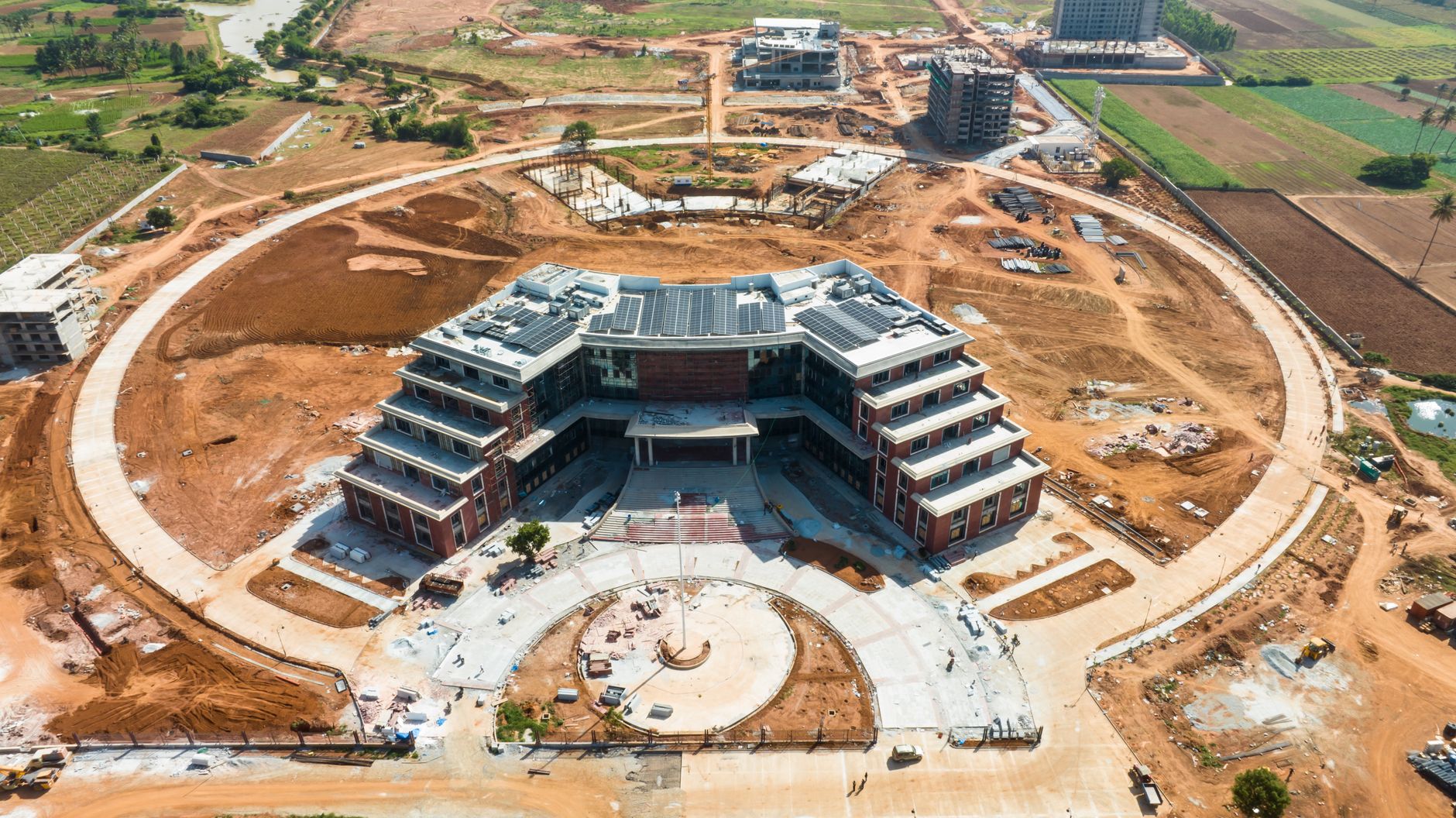
Karnataka projects have been launched by PM Modi, highlighting the government’s focus on development and the neo-middle class. These initiatives aim to boost the local economy significantly.
Overview of Karnataka Projects
The state of Karnataka has been at the forefront of various developmental initiatives aimed at enhancing infrastructure and improving the quality of life for its residents. Recently, Prime Minister Modi launched projects worth Rs 15,600 crore, which are expected to significantly boost the local economy and pave the way for further advancements. These Karnataka projects are designed to address multiple sectors, including transportation, healthcare, and education, thereby promoting overall growth.
Among the notable initiatives are:
- Infrastructure Development: Enhanced road networks and public transport systems to facilitate better connectivity.
- Smart City Projects: Urban development initiatives focused on creating sustainable and technologically advanced urban spaces.
- Healthcare Initiatives: Establishment of modern healthcare facilities aimed at providing quality medical services to all citizens.
- Education Reforms: Investments in educational institutions to improve learning outcomes and promote skill development.
These projects not only aim to uplift the economic status of the region but also strive to cater to the needs of the growing population, often referred to as the ‘neo-middle class.’ With a focus on holistic development, Karnataka projects are set to leave a lasting impact on the state and its residents.
Impact on the Neo-Middle Class
The recent launch of Rs 15,600-crore projects in Karnataka has significant implications for the state’s neo-middle class. This demographic, characterized by its growing purchasing power and aspirations, stands to benefit greatly from these initiatives.
One of the primary impacts of the Karnataka projects is the enhancement of local infrastructure. Improved roads, transportation systems, and public amenities are crucial for the neo-middle class, who often seek better accessibility to education and healthcare. These developments can lead to:
- Increased Job Opportunities: As projects boost local economies, they create job openings, particularly in sectors like construction, IT, and services.
- Enhanced Living Standards: Better infrastructure translates to improved quality of life, allowing families to enjoy more recreational and cultural activities.
- Access to Education: Educational institutions are more likely to develop in well-connected areas, providing the neo-middle class with better academic options for their children.
Furthermore, the focus on sustainable development within these Karnataka projects aims to ensure long-term benefits. With a commitment to eco-friendly practices, the state is not only addressing immediate needs but also paving the way for a resilient future, which is particularly appealing to the environmentally-conscious segment of the neo-middle class.
Key Features of the Initiatives
The Karnataka projects encompass a range of initiatives aimed at fostering economic growth and improving the quality of life for its residents. Here are some key features of these initiatives:
- Infrastructure Development: Significant investments in transportation, energy, and urban infrastructure have been made, enhancing connectivity and accessibility across the state.
- Public Welfare Schemes: Programs targeting health, education, and employment have been introduced to uplift the standard of living, particularly for the neo-middle class.
- Technological Advancements: The initiatives promote the use of technology in governance and service delivery, ensuring transparency and efficiency.
- Environmental Sustainability: Many of the Karnataka projects emphasize green energy solutions and sustainable practices, aiming to reduce the ecological footprint.
- Public-Private Partnerships: Collaborations between the government and private sector drive innovation and investment, facilitating the successful implementation of various projects.
These features reflect a comprehensive approach to development, addressing the current needs while also preparing for future challenges. The focus on inclusive growth ensures that the benefits of these projects reach all segments of society, particularly the emerging neo-middle class, showcasing the commitment of Karnataka to progressive and sustainable initiatives.
Government’s Vision for Karnataka
The government of Karnataka has laid out a comprehensive vision to transform the state into a hub of innovation, sustainability, and economic growth. Central to this vision are the various Karnataka projects aimed at enhancing infrastructure, education, and healthcare. These initiatives reflect a strategic approach to meet the demands of a rapidly evolving society.
Key components of the government’s vision include:
- Infrastructure Development: Massive investments are being made in roads, bridges, and public transport systems to ensure seamless connectivity across the state.
- Educational Reforms: The government is focusing on upgrading educational institutions to provide quality education that meets global standards.
- Healthcare Initiatives: Aiming to improve access to healthcare, new hospitals and clinics are being established, along with innovative health programs.
Additionally, the government has emphasized the importance of technology and digitalization. This is evident in initiatives that promote e-governance and smart city projects, aiming to create a more efficient administrative framework.
Through these Karnataka projects, the government seeks to empower the neo-middle class and provide them with opportunities for growth and development. By aligning its goals with the aspirations of its citizens, Karnataka is poised to emerge as a leader in India’s economic landscape.
Photo by Anil Sharma on Pexels
Read the original
You might also like
- Spiritual tourism hotels: What makes them worth visiting?
- Xiaomi 18 Pro Series: The Best Smart Devices Unveiled
- Anker 11.11 sale: Is it the Best Smart Home Deal?
About the Author