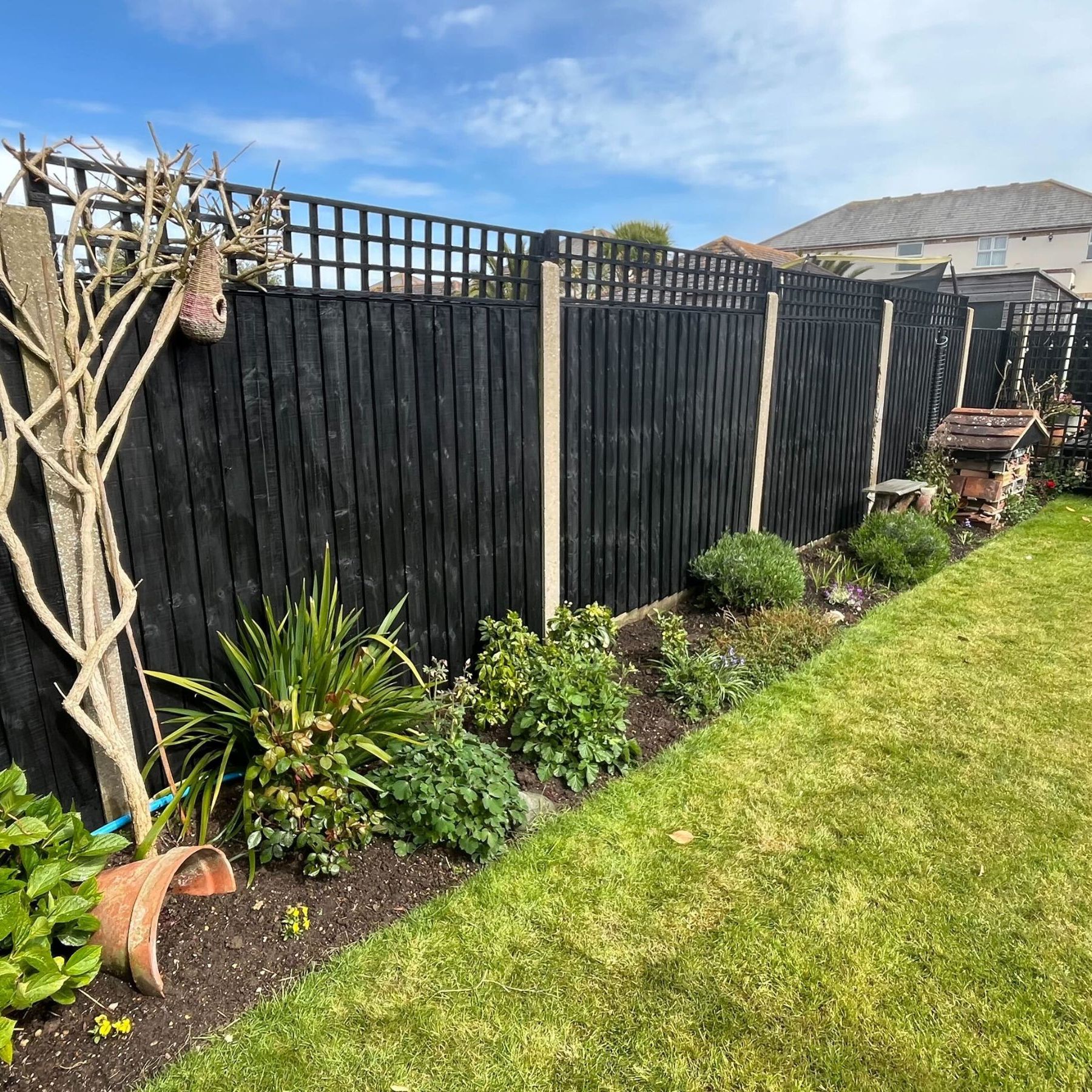
For years, most fence work happened after damage. A storm would hit. Panels would drop. Posts would lean. Then homeowners would search fencing companies near me in a hurry and try to fix what had already failed. That pattern has shifted. Across York and the surrounding villages, I now see more homeowners choosing to replace fencing before winter arrives rather than waiting to see what survives. Many start by reviewing York Fencing because they want to understand whether their current fence is likely to cope with another wet season.
After decades working as a fencing contractor, I can say this proactive approach is growing steadily. It is driven by experience, not fear. People have seen what winter does to tired fences, especially in clay soil, and they would rather plan than react.
Why winter exposes weaknesses so quickly
Winter in North Yorkshire is rarely gentle on garden boundaries. Extended rainfall saturates the ground. Clay holds water. Frost locks moisture into timber. Wind adds sudden load.
A fence that already has small issues rarely makes it through winter unchanged.
One thing I see often on local jobs is homeowners saying the same thing in February. “It was leaning slightly in autumn. Now it is much worse.” Winter does not create problems out of nowhere. It accelerates what is already happening.
The soil factor in York gardens
York’s clay soil plays a huge part in winter fence failures. Clay swells when wet and shrinks when dry. This constant movement stresses posts over time.
I usually set posts at around 600mm to 750mm depth depending on ground conditions. Many older fences were set far shallower. They may have coped for years in milder conditions, but repeated wet winters push them past their limit.
If posts are already marginal, winter movement often finishes the job.
Why waiting until after winter often costs more
Waiting until spring to deal with a weak fence can increase cost. A leaning post in October might mean a reset or local repair. The same post after a full winter may have pulled neighbouring panels out of line.
Load transfers along the fence run. One unstable post puts pressure on rails and fixings elsewhere.
Homeowners searching fence repair near me in early spring often find the problem has spread further than expected.
Planning replacement under better conditions
Fence installation is always best done under stable ground conditions. Dry soil holds posts better. Concrete cures more reliably. Drainage adjustments are easier.
Replacing before winter means posts go into firm ground, not saturated clay.
That alone improves long term performance.
Why proactive replacement reduces stress
Emergency replacement after a storm adds stress. Gardens are muddy. Access is awkward. Neighbours may be affected at short notice.
Proactive replacement allows homeowners to choose timing. They can coordinate with other garden work. They can discuss design calmly rather than urgently.
This shift in control is one of the biggest reasons people now replace earlier.
The financial logic behind early replacement
Fence replacement is not cheap. But repeated small repairs add up.
A homeowner who resets two posts one year, replaces three panels the next, and reinforces rails later may end up spending close to full replacement cost over time.
More homeowners now recognise that replacing early avoids repeated call outs.
Searches for fencing contractors near me often start with this realisation.
The impact of stronger autumn storms
Storm patterns have changed. Autumn winds feel stronger and arrive earlier. A fence that looks fine in summer can be under serious pressure by November.
Solid panel designs catch wind. If posts are already weakened by summer shrinkage in clay soil, sudden autumn storms can push them out of alignment.
Replacing before this period reduces risk.
Signs your fence may not survive winter
From years on site, I look for a few key signs when homeowners ask if their fence will last another season.
- Posts that move when pushed
- A top line that is no longer straight
- Rails cracking or pulling away
- Gravel boards sinking unevenly
- Gaps appearing between boards
If these signs are present, winter will likely make them worse.
Why drainage matters before winter
Poor drainage is a silent problem. Soil that stays wet around posts weakens their hold. Timber that remains damp softens.
Improving drainage during pre winter replacement helps protect the new fence. Gravel at the base of posts allows water to escape rather than pool.
I often find older fences with no drainage consideration at all. Winter exposes that weakness quickly.
How material choice affects winter performance
Not all materials respond to winter equally.
Pressure treated timber resists rot better than dipped timber. Concrete posts eliminate rot at ground level. Composite panels do not absorb moisture like timber.
Composite fencing cost is higher upfront, but its resistance to swelling and shrinkage can make it appealing for exposed gardens.
Homeowners planning ahead often compare these options before winter.
Why partial repairs can be risky before winter
Sometimes a small repair is sensible. A single panel replacement or minor adjustment can extend life.
But if multiple posts are marginal, partial repairs may not hold through winter.
Homeowners often review fence repair services to understand whether repairs will genuinely stabilise the structure or simply delay replacement.
If the base structure is weak, winter will expose it.
The difference between cosmetic and structural issues
Fences can look tired but still be structurally sound. Equally, they can look acceptable but be structurally compromised.
Cosmetic wear is not urgent. Structural weakness is.
Before winter, the focus should always be on stability, not appearance.
Why autumn inspections are increasing
More homeowners now ask for inspections in early autumn. They want an honest assessment of whether their fence is ready for winter.
This proactive mindset reflects lessons learned from previous years.
Homeowners no longer wait for panels to fall before acting.
The neighbour factor in pre winter planning
Shared boundaries add complexity. If one homeowner replaces before winter, it reduces the chance of mid winter disputes over fallen panels.
Planning early allows neighbours to agree on height, style, and timing calmly.
Waiting until after damage often makes these conversations harder.
Garden design projects drive earlier replacement
Autumn landscaping projects often prompt fence replacement at the same time.
New patios, raised beds, and garden rooms highlight the condition of the boundary.
It makes sense to address fencing before winter so new landscaping is protected.
The long term performance advantage
Replacing before winter often means the fence settles gradually under controlled conditions rather than being stressed immediately by storms.
Posts set in firm ground stay aligned better. Concrete cures fully before heavy rainfall.
That early stability supports long term performance.
Why buyers also care about winter readiness
If a property is going on the market in late autumn or winter, a stable boundary reassures buyers.
A fence that looks vulnerable before winter raises concerns about hidden issues.
Replacing early removes that doubt.
When waiting might still make sense
If a fence is structurally sound, posts are stable, and drainage is good, there may be no need to rush.
The key is an honest assessment. Not every fence needs immediate replacement.
But if multiple warning signs are present, waiting rarely improves the situation.
Why early replacement reflects smarter planning
From decades working across York, I can see a clear shift in mindset. Homeowners are planning ahead. They understand soil behaviour. They understand weather patterns.
They would rather invest under calm conditions than react under pressure.
More people exploring garden fencing solutions now do so in autumn rather than spring.
Winter is predictable even when weather is not
Winter will bring rain. It will bring wind. It will test weak posts and loose rails.
Replacing before winter does not eliminate all risk, but it removes known weaknesses.
Homeowners who act early avoid the cycle of storm damage, emergency repair, and repeated cost.
Replacing before winter is not about being cautious. It is about recognising the pattern and choosing the right moment to act.
About the Author