Bilaspur Manali Leh Railway is an ambitious project aimed at enhancing connectivity in the Himalayan region. This railway corridor promises to tackle extraordinary engineering challenges.
Overview of the Bilaspur Manali Leh Railway Project
The Bilaspur Manali Leh Railway Project is set to transform connectivity in the northern Himalayan region of India. This ambitious endeavor aims to create a strategic corridor that will link the town of Bilaspur in Himachal Pradesh to Leh in Ladakh, enhancing access to remote areas and promoting economic development.
Spanning approximately 498 kilometers, the railway will traverse some of the most challenging terrains in the country. The project is designed not only to facilitate passenger travel but also to support the movement of goods, particularly in regions that are often cut off due to harsh weather conditions.
Engineers are faced with formidable challenges, including:
- High-altitude construction, which requires specialized techniques.
- Complex geological formations that demand innovative tunneling solutions.
- Environmental considerations to protect the fragile Himalayan ecosystem.
With a projected completion date in the coming years, the Bilaspur Manali Leh Railway is expected to significantly bolster tourism and trade, making it a crucial infrastructure project for the region.
As the project progresses, it stands as a testament to India’s engineering capabilities and its commitment to enhancing connectivity in remote areas.
Engineering Challenges Faced by the Project
The Bilaspur Manali Leh Railway project is not only a significant undertaking in terms of connectivity but also presents a myriad of engineering challenges that engineers must navigate. The unique topography of the Himalayan region adds complexity to the construction process, requiring innovative solutions and advanced technology.
One of the primary challenges is the extreme altitude at which the railway will be constructed. Engineers must ensure that the railway tracks can withstand the harsh weather conditions and seismic activities typical of the region. This involves:
- Designing tunnels and bridges: The project will require numerous tunnels and bridges to traverse the rugged landscape, some reaching heights of over 5,000 meters.
- Addressing landslide risks: The potential for landslides poses a significant threat, necessitating the development of robust safety measures.
- Utilizing innovative materials: To combat the challenges posed by the cold and snow, engineers are exploring the use of advanced materials that can endure extreme temperatures.
Moreover, the logistics of transporting materials and machinery to remote locations further complicate the project. As the Bilaspur Manali Leh Railway progresses, overcoming these engineering hurdles will be crucial for its successful completion and operational safety.
Economic Impact of the Railway Corridor
The Bilaspur Manali Leh Railway is set to revolutionize the economic landscape of the regions it connects. By providing a reliable transport link to the remote areas of Ladakh, the railway corridor is expected to enhance trade, tourism, and local livelihoods.
One of the primary benefits of the railway will be the facilitation of tourism. With easier access to Leh and its breathtaking landscapes, more visitors are likely to explore the region. This influx will boost local businesses, from hospitality to handicrafts, significantly contributing to the economy.
Additionally, the corridor will streamline the movement of goods. Local farmers and artisans can transport their products to larger markets more efficiently, increasing their income potential. The railway will also enable the timely delivery of essential goods, including healthcare and education materials, improving the quality of life for residents.
The project is also expected to create numerous job opportunities during its construction and operation phases, further enhancing economic prospects. Moreover, the strategic importance of the Bilaspur Manali Leh Railway will strengthen national security and connectivity, ensuring that remote areas are not left behind in the nation’s development journey.
In summary, the economic impact of the Bilaspur Manali Leh Railway corridor will be profound, fostering growth and stability in the region.
Environmental Considerations in Construction
The construction of the Bilaspur Manali Leh Railway is not only a remarkable engineering endeavor but also a project that necessitates careful environmental considerations. Given the unique and fragile ecosystem of the Himalayan region, the project must navigate a range of environmental challenges.
Key environmental concerns include:
- Biodiversity Preservation: The railway corridor crosses through habitats that are home to various endangered species. It is essential to conduct thorough environmental impact assessments to mitigate any potential harm to local flora and fauna.
- Soil Erosion: The mountainous terrain is prone to landslides and soil erosion. Construction activities must incorporate sustainable practices to minimize soil destabilization and ensure the integrity of the landscape.
- Water Resources: The railway’s route intersects numerous rivers and streams. Safeguarding these water bodies from contamination during construction is critical for maintaining local water quality and supporting wildlife.
- Climate Impact: The project must also consider its carbon footprint. Implementing energy-efficient construction methods and materials can help reduce greenhouse gas emissions associated with the Bilaspur Manali Leh Railway.
By addressing these environmental factors, the project aims to balance development with ecological responsibility.
Timeline for Completion and Future Prospects
The Bilaspur Manali Leh Railway project is set to transform connectivity in the region, with timelines indicating significant milestones ahead. The completion of this ambitious railway line is anticipated by 2026, following a series of phases that have been carefully outlined to ensure timely progress. This timeline reflects the government’s commitment to enhancing infrastructure in remote regions of India, as well as the strategic importance of the railway for both economic and defense purposes.
As construction advances, several critical factors will determine the future prospects of the Bilaspur Manali Leh Railway. These include:
- Technological Innovations: The use of advanced engineering techniques will play a vital role in overcoming the challenging terrain.
- Funding and Investment: Continued financial support from the government and private sectors will be essential for the completion of the project.
- Community Engagement: Involving local populations in the project can ensure sustainable development and minimize social disruption.
- Environmental Sustainability: Balancing construction needs with ecological preservation will be crucial for long-term success.
Overall, the Bilaspur Manali Leh Railway promises to be a game-changer, paving the way for enhanced travel and trade in the Himalayan region.
Government Support and Funding for Infrastructure
The success of the Bilaspur Manali Leh Railway project largely depends on robust government support and adequate funding for the infrastructure. Recognizing the strategic importance of this railway corridor, the Indian government has allocated substantial resources aimed at ensuring timely completion.
Several key initiatives have been implemented to secure the necessary financial backing:
- Investment from the Railways Ministry: The Ministry has earmarked significant funds specifically for the Bilaspur Manali Leh Railway, demonstrating commitment to enhancing connectivity in this vital region.
- Public-Private Partnerships: The government is encouraging private investment to boost infrastructure development, allowing private entities to play a role in the construction and operation of the railway.
- International Collaboration: Discussions with foreign investors and engineering firms are underway, exploring potential collaborations that could bring advanced technology and additional funding to the project.
Moreover, various state-level initiatives are designed to streamline project execution and address any bureaucratic hurdles encountered. As the railway corridor progresses, ongoing government support will be crucial in overcoming challenges and ensuring that the Bilaspur Manali Leh Railway becomes a reality, enhancing both regional connectivity and economic growth.
Comparison with Other Himalayan Transport Projects
The Bilaspur Manali Leh Railway stands out among various Himalayan transport projects due to its unique engineering challenges and strategic significance. Unlike the existing railway corridors in the region, which primarily focus on tourism and local connectivity, this project aims to enhance national security and facilitate trade in a relatively inaccessible area.
When compared to the Katra–Banihal Railway, which faced its own set of geological challenges, the Bilaspur Manali Leh Railway must navigate extreme altitudes and harsh weather conditions that can impede construction and operation. Additionally, the Katra–Banihal project emphasizes passenger movement, whereas the Bilaspur Manali Leh Railway prioritizes the transport of goods and military supplies.
Another notable project is the Darjeeling Himalayan Railway, which focuses on heritage tourism. In contrast, the Bilaspur Manali Leh Railway is designed with modern engineering techniques, such as tunneling and bridge construction, to address the rugged terrain of the Himalayas. This ambitious project not only aims to bolster regional connectivity but also provides a model for future infrastructure initiatives in similar challenging environments.
Ultimately, the success of the Bilaspur Manali Leh Railway could set a benchmark for subsequent projects, making it a vital component of India’s transportation network.
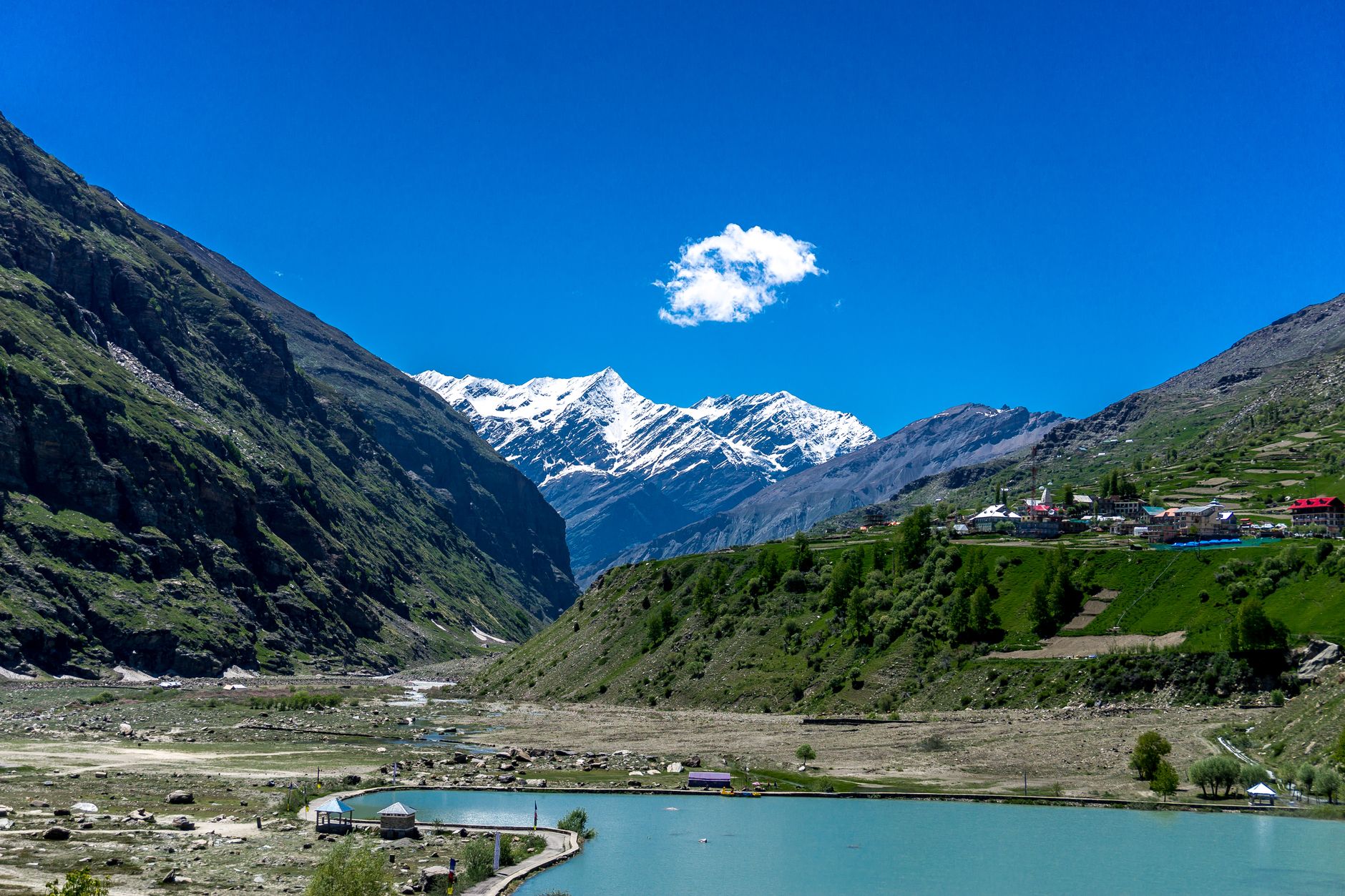
Photo by Ankit Kumar on Pexels
References
IBG News · Bilaspur-Manali-Leh railway line
Related reading
Is Balaram Palace hotel the Best New Stay in Gujarat? · 3D map of ski resorts: Free and Easy Tool for Travelers · India China border tensions: Is it the Right Move for Safety?
About the Author