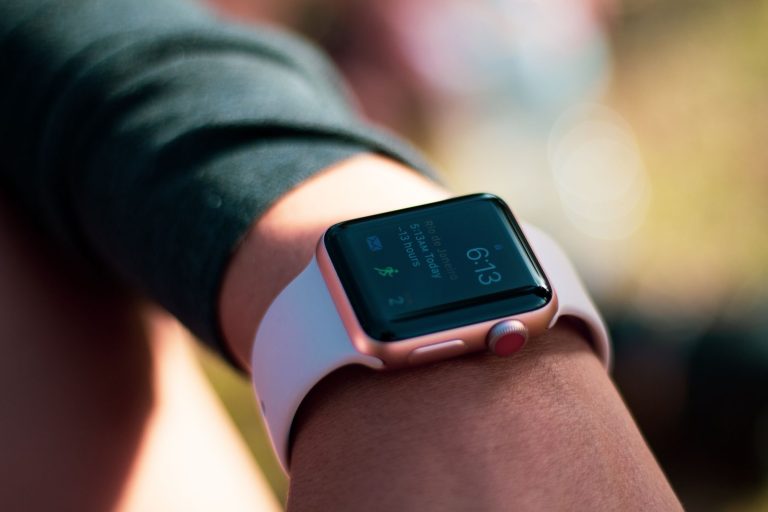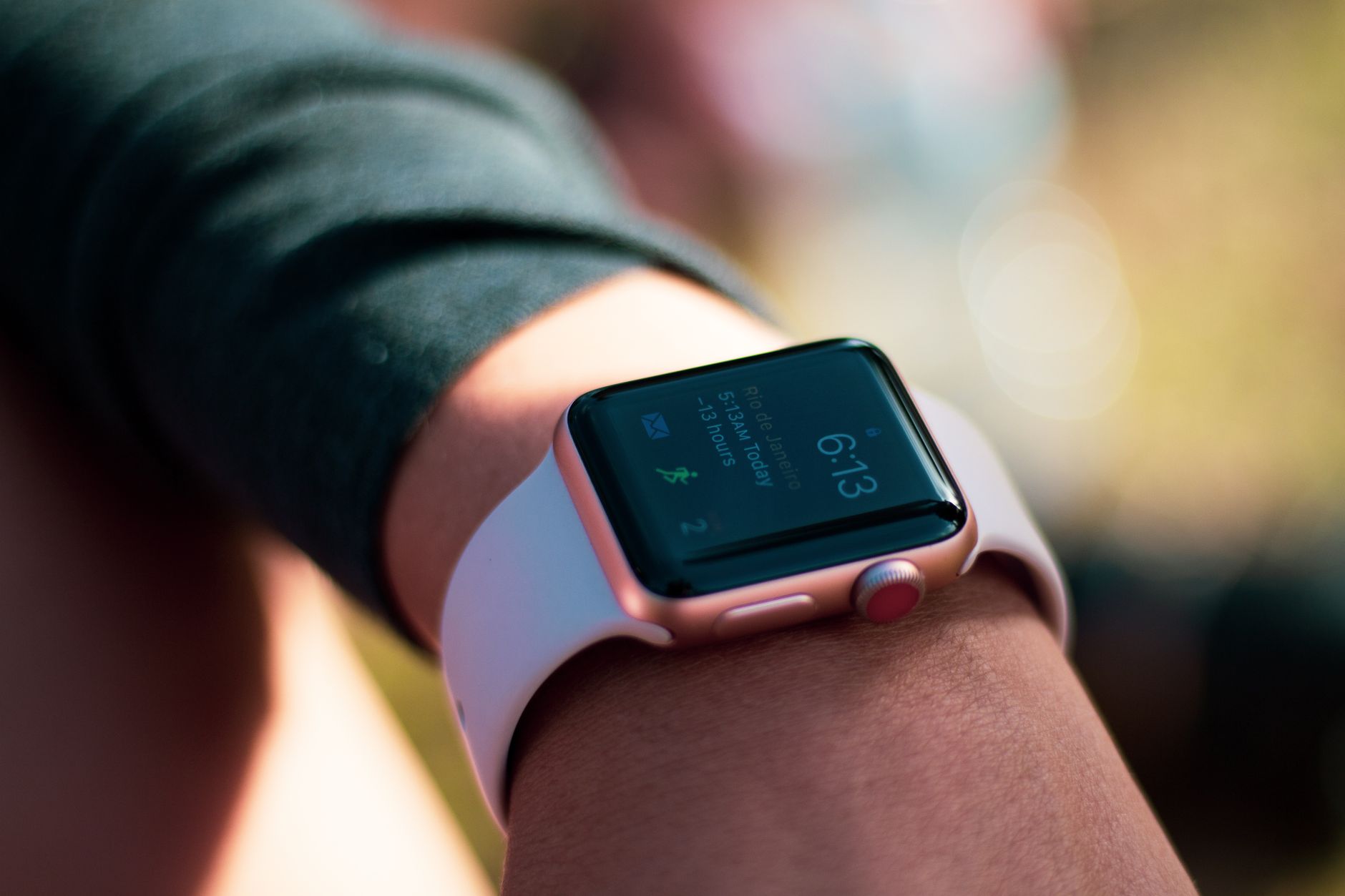
Apple fitness tracker is set to challenge existing devices with innovative features. Reports suggest a potential launch in 2028, promising exciting advancements in fitness technology.
What to Expect from the Apple Fitness Tracker
The upcoming Apple fitness tracker is set to revolutionize the way users monitor their health and fitness. With a focus on providing essential features without the distraction of a screen, this device aims to cater to the needs of active individuals.
Here’s what you can expect from the new Apple fitness tracker:
- Advanced Health Metrics: The tracker will likely include capabilities to monitor heart rate, sleep patterns, and even blood oxygen levels, offering a comprehensive view of your health.
- Long Battery Life: Designed for daily use, the device is expected to have an impressive battery life, enabling users to track their activities without frequent recharging.
- Durable Design: Built for the active lifestyle, the fitness tracker will likely be water-resistant and made from high-quality materials to withstand various environmental conditions.
- Seamless Integration: Users can expect smooth connectivity with other Apple devices, allowing for easy data synchronization and analysis.
Overall, the Apple fitness tracker promises to be a game-changer in the realm of wearable technology.
How Apple Compares to Whoop
As the market for fitness trackers continues to grow, many are curious about how the Apple fitness tracker will stack up against competitors like Whoop. While both devices aim to enhance fitness experiences, they cater to slightly different audiences.
Whoop focuses on performance and recovery metrics, offering insights tailored for serious athletes. Users can track their strain, recovery, and sleep patterns to optimize training regimens. In contrast, Apple is known for its sleek design and integration with other Apple products, which appeals to a broader range of users, from casual gym-goers to tech enthusiasts.
Here are some key differences:
- Data Tracking: Whoop provides in-depth analytics, while Apple fitness trackers offer a more user-friendly interface with essential health metrics.
- Subscription Model: Whoop requires a membership for full functionality, whereas Apple’s device operates without ongoing fees.
- Design: Apple devices are often praised for their aesthetic appeal and customizable features.
Ultimately, the choice between the two will depend on individual fitness goals and preferences.
Features of the Upcoming Fitness Tracker
The upcoming Apple fitness tracker is anticipated to include a range of innovative features aimed at enhancing user experience and health monitoring. Among the standout characteristics are:
- Advanced Heart Rate Monitoring: Utilizing cutting-edge sensors, the device will provide real-time heart rate tracking, ensuring users can optimize their workouts effectively.
- Sleep Tracking: With enhanced sleep analysis capabilities, the tracker will help users understand their sleep patterns and make improvements for better rest.
- Activity Tracking: The fitness tracker will monitor various activities, from running to cycling, providing detailed insights into performance and progress over time.
- Nutrition and Hydration Monitoring: Users can expect features that track their nutritional intake and hydration levels, promoting a holistic approach to health.
- Integration with Apple Ecosystem: Seamlessly connecting with other Apple devices, this fitness tracker will allow users to access a wealth of health data and insights.
Overall, the new Apple fitness tracker is set to redefine how users approach fitness and wellness.
Market Impact of New Fitness Devices
The introduction of innovative fitness devices like the Apple fitness tracker is reshaping the market dynamics of health technology. As consumers increasingly prioritize health and wellness, competition among tech giants has intensified. Industry experts note that the anticipated launch of Apple’s device could significantly influence purchasing decisions.
With features designed to provide comprehensive health insights, the Apple fitness tracker is expected to appeal to both fitness enthusiasts and casual users. As a result, companies like Whoop may need to reevaluate their strategies to maintain market share. Analysts suggest that the presence of a new competitor could lead to:
- Enhanced Features: Brands may innovate further to differentiate their offerings.
- Pricing Strategies: Increased competition could result in more competitive pricing for consumers.
- Marketing Campaigns: Companies will likely ramp up advertising to capture consumer interest.
As the fitness tech landscape evolves, all eyes will be on Apple to see how their fitness tracker impacts not only their brand but the entire industry.
Consumer Reactions to Apple’s Innovations
Consumer reactions to Apple’s innovations in the fitness tracking market have been largely positive, with many praising the anticipated capabilities of the new Apple fitness tracker. Users express excitement over the potential for enhanced health monitoring features and seamless integration with existing Apple devices.
According to recent surveys, a significant number of fitness enthusiasts believe that Apple’s emphasis on user experience will set the new tracker apart from competitors like Whoop. Many potential buyers are particularly interested in:
- Real-time health metrics: Users expect accurate data tracking for heart rate, sleep, and activity levels.
- Durability: Consumers are looking for a device that can withstand intense workouts and outdoor conditions.
- Battery life: Long-lasting performance is a major factor in purchasing decisions.
Moreover, the unique screenless design has sparked curiosity and speculation about how the Apple fitness tracker will redefine user interaction with fitness technology. Overall, the anticipation for this device underscores Apple’s continued influence on the active lifestyle market.
Future of Fitness Technology
The future of fitness technology is poised for significant advancements, with companies like Apple leading the charge in innovation. As health and wellness become increasingly prioritized, the demand for effective fitness trackers is on the rise. The upcoming Apple fitness tracker aims to integrate cutting-edge technology with user-friendly features, promising to enhance the way individuals monitor their health and fitness.
Experts predict that future devices will not only focus on tracking physical activity but will also incorporate features such as real-time health analytics and personalized coaching. As consumers become more health-conscious, the role of these devices will evolve, potentially transforming them into essential tools for maintaining overall well-being.
Moreover, advancements in artificial intelligence and machine learning could further refine the capabilities of the Apple fitness tracker. These technologies could enable the device to offer tailored insights and recommendations, making fitness more accessible and engaging for users. As we look forward to 2028, the evolution of fitness technology promises to be both exciting and transformative for active lifestyles.
Photo by Ingo Joseph on Pexels
References
- Arvind SmartSpaces project: Proven success with ₹500 crore bookings
- Vu Ultra Large Smart TV: Best 4K QLED Options in India
- Airbnb stock rating: Proven insights on RBC’s stance
About the Author