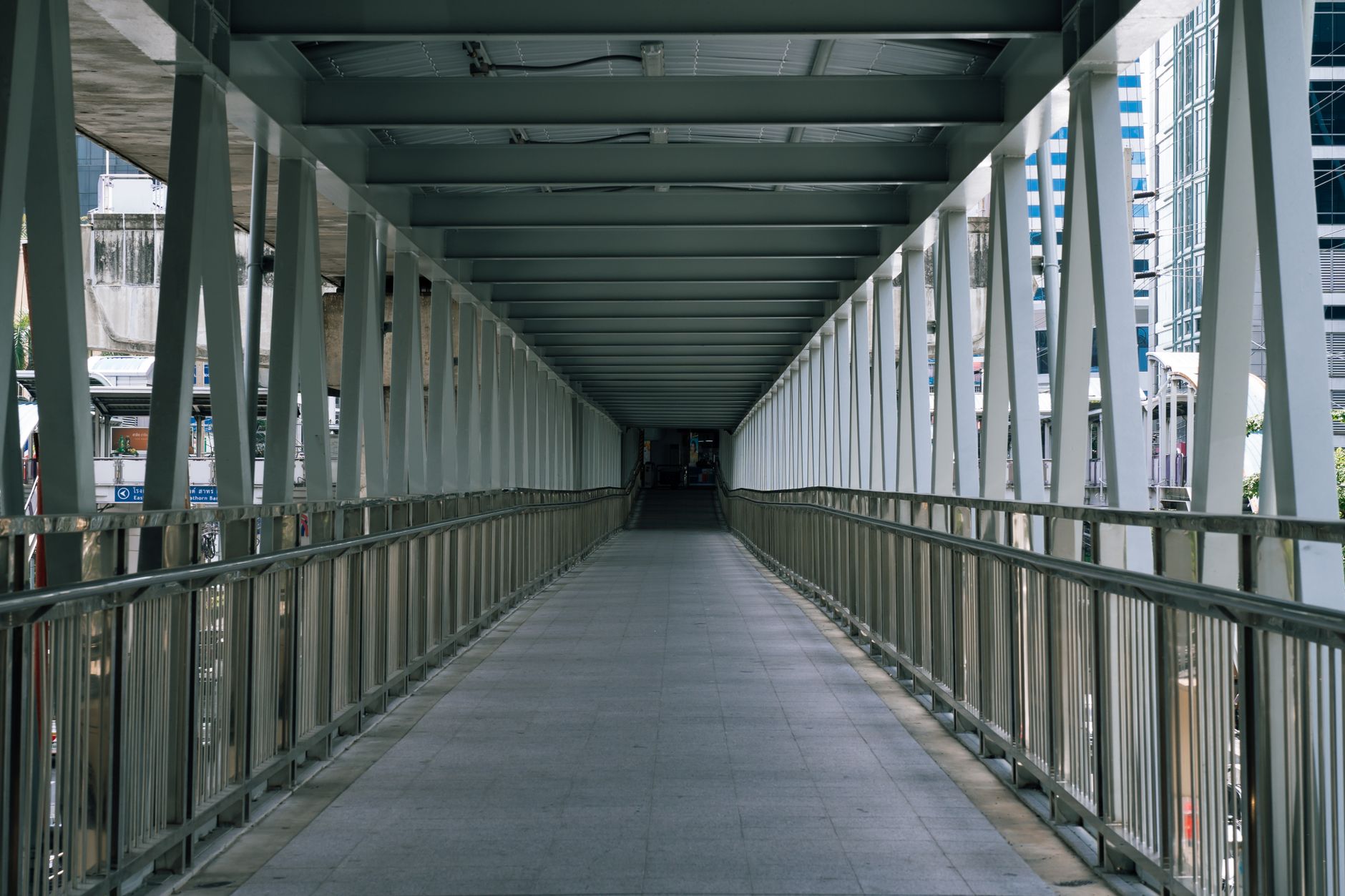
Elevated corridor approval has been granted by the L-G for a new project in South Delhi. This initiative aims to improve transportation and ease traffic flow in the bustling area.
Overview of the Elevated Corridor Project
The recent elevated corridor approval by the Lieutenant Governor (L-G) marks a significant milestone for infrastructure development in South Delhi. This ambitious project aims to enhance connectivity and reduce traffic congestion in one of the busiest areas of the city.
The elevated corridor will cover crucial stretches, facilitating smoother transit for thousands of commuters daily. Here are some key features of the project:
- Length: The corridor is expected to span approximately 6 kilometers, connecting major thoroughfares.
- Design: It will feature modern engineering techniques, ensuring safety and durability.
- Environmental Considerations: Efforts will be made to minimize ecological impact during construction and operation.
- Cost: The estimated budget for the project is around INR 400 crores, funded by the Delhi government.
- Timeline: Construction is anticipated to begin in early 2024, with a target completion date within two years.
The approval has garnered support from various stakeholders, including local residents and business owners. Many believe that the elevated corridor will significantly improve daily commutes and contribute to economic growth in the region. As the project moves forward, it underscores the government’s commitment to enhancing urban infrastructure for a growing population.
Benefits of the New Infrastructure
The approval of the elevated corridor project in South Delhi brings a multitude of benefits that promise to transform urban mobility and enhance the overall quality of life for residents.
Among the primary advantages are:
- Reduced Traffic Congestion: The elevated corridor is designed to alleviate the pressure on existing road networks, significantly reducing travel time for commuters.
- Improved Safety: By separating local and through traffic, the corridor will minimize the risk of accidents, providing a safer environment for pedestrians and cyclists.
- Enhanced Connectivity: This infrastructure will connect key areas in South Delhi, facilitating easier access to commercial and residential hubs.
- Environmental Benefits: The project is expected to lower vehicle emissions by promoting smoother traffic flow, contributing to better air quality in the region.
- Economic Growth: Improved infrastructure often leads to increased investment opportunities, fostering local businesses and enhancing economic activity.
As the elevated corridor approval paves the way for these developments, residents can anticipate a more efficient and sustainable transportation system that meets the growing demands of the city.
Timeline for Completion
The timeline for completion of the elevated corridor project in South Delhi has been set, following the recent approval from the Lieutenant Governor. The project aims to enhance connectivity and reduce traffic congestion in the area. According to officials, the construction phase is projected to commence in the next quarter, with key milestones outlined as follows:
- Phase 1: Preliminary Construction – Expected to start within the next three months, this phase will focus on groundwork and establishing the necessary infrastructure.
- Phase 2: Superstructure Development – Scheduled to begin six months after the initial phase, this will involve the erection of the elevated structure.
- Phase 3: Finishing Touches – Anticipated to commence one year after construction begins, this stage will finalize road access, lighting, and landscaping.
- Overall Completion – The entire project is expected to be completed within two years from the start date, provided there are no significant delays.
The timely execution of the project is crucial to realize the benefits outlined in the earlier sections. Stakeholders are optimistic that the elevated corridor approval will significantly enhance transportation efficiency in South Delhi, paving the way for smoother commutes and improved air quality.
Community Reactions to the Approval
The recent approval of the elevated corridor has sparked varied reactions among the South Delhi community. Many residents express optimism about the potential reduction in traffic congestion and improved connectivity. Rajesh Kumar, a local business owner, stated, “This elevated corridor approval is a much-needed step towards easing our daily commutes. If executed well, it will save us time and fuel.”
However, not all feedback has been positive. A segment of the community is concerned about the environmental impact and potential disruption during construction. Meena Sharma, an environmental activist, voiced her apprehensions: “While we understand the need for better infrastructure, we must prioritize the environment. We hope that measures will be taken to minimize harm to local flora and fauna.”
Additionally, some residents worry about the visual impact of the elevated structure on the neighborhood. Arjun Verma, a resident of the area, remarked, “We don’t want our beautiful skyline to be marred by concrete structures. It’s essential to balance development with aesthetic considerations.”
As discussions continue, community forums are being organized to address these concerns and provide a platform for residents to share their thoughts on the elevated corridor approval and its implications for South Delhi.
Future of Urban Transport in Delhi
The approval of the elevated corridor in South Delhi marks a transformative moment for urban transport in the city. As one of the most populous areas in India, Delhi has long struggled with traffic congestion and inadequate infrastructure. The elevated corridor approval is expected to alleviate some of these challenges, paving the way for a more efficient and sustainable transport network.
Experts believe that this new infrastructure will not only improve connectivity but also encourage the use of public transport. By reducing travel times and enhancing accessibility, the elevated corridor could significantly shift the commuting habits of residents. Public transport advocates are optimistic that this project will serve as a catalyst for future initiatives aimed at modernizing Delhi’s urban landscape.
However, the success of the elevated corridor depends on several factors, including proper implementation and integration with existing transport systems. There is a need for comprehensive planning to ensure that the corridor complements other modes of transportation, such as buses and metro services. Additionally, ongoing community engagement will be crucial in addressing any concerns and maximizing the project’s benefits.
In summary, the elevated corridor approval signals a new era for urban transport in Delhi, with the potential to reshape commuting patterns and contribute to a more sustainable city environment.
The recent elevated corridor approval marks a significant step towards improving transportation infrastructure in South Delhi. As officials prepare for the next phases of development, the elevated corridor approval is expected to ease traffic congestion in the area.
Photo by Zaonar Saizainalin on Pexels
Read the original
- Apple Fitness Tracker: Best Smart Device for Active Lifestyles
- Arvind SmartSpaces project: Proven success with ₹500 crore bookings
- Vu Ultra Large Smart TV: Best 4K QLED Options in India
About the Author